
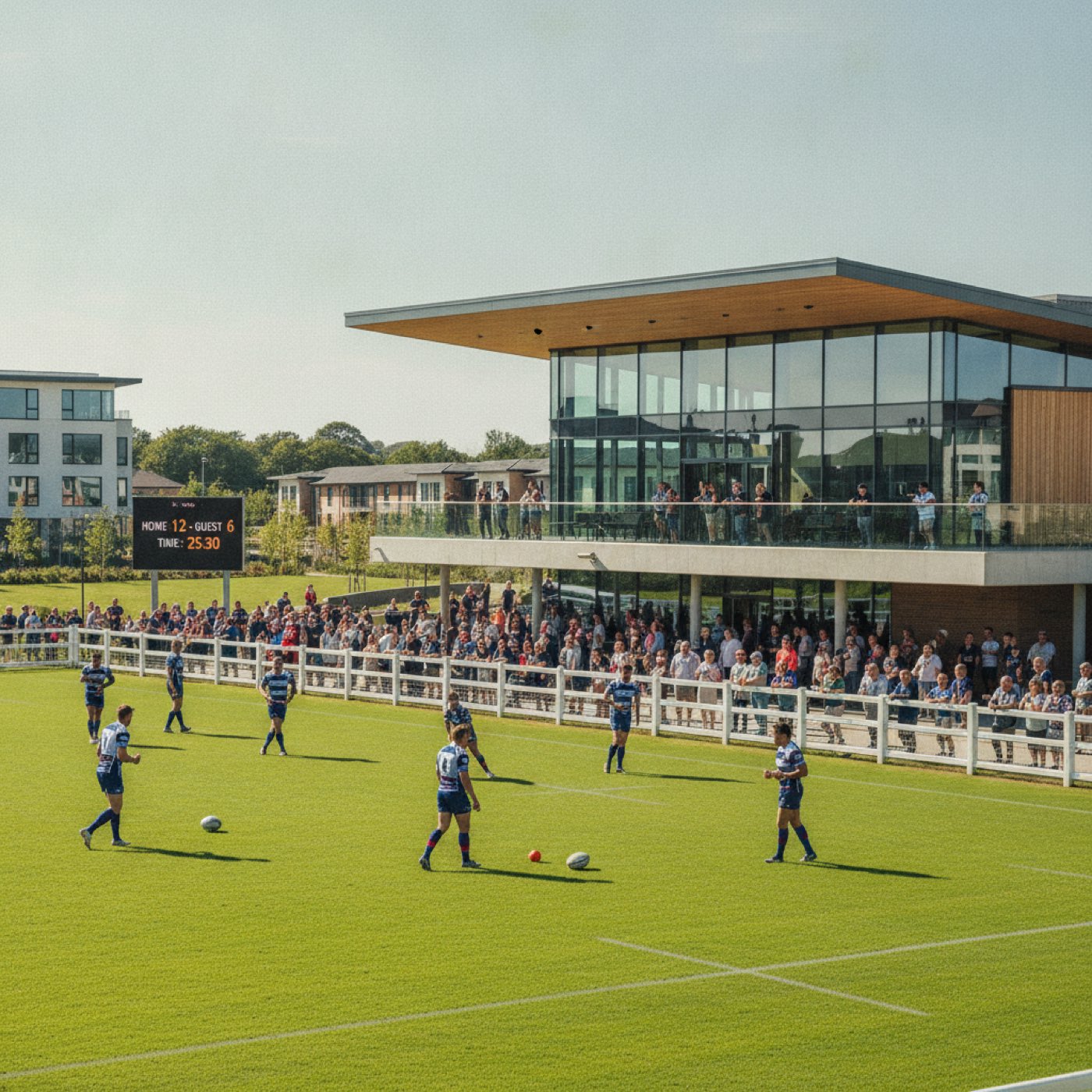
Cash advances for UK rugby clubs.
For amateur and semi-professional rugby clubs. Funded against your card takings. Matchday bar, clubhouse functions, member subs and event hire. Built for clubs where the bar pays the groundsman.
A note on the lender panel for amateur sports clubs
Lender appetite for amateur sports clubs is narrower than for hospitality or retail. The match is best when bar and function income is the bulk of card revenue and there's a CASC or limited company structure with clear accounts. Pure unincorporated members clubs are sometimes a poor fit for MCA. We'll be honest about that and may suggest a club-friendly term loan instead.
What MCA means for a rugby club.
For amateur and semi-pro rugby, the bar and function room is usually the financial engine. Match subs and gate are modest; clubhouse hire (weddings, christenings, wakes, business meetings) and a busy bar on Saturdays does most of the heavy lifting. Card takings concentrate around weekends and event days. Common uses: clubhouse refurb, kitchen upgrade for catering function bookings, new training kit, pitch drainage, perimeter fencing, marketing for sponsorship drives, scoreboard, floodlight repairs, end-of-season tour deposits.
Sound familiar?
Floodlights or pitch drainage failing.
Floodlight repairs £8k to £25k. Drainage works £15k to £60k depending on scope. Without them, training and matchday move offsite. Losing bar revenue.
MCA gets the works done before the season starts. Bar takings during the autumn-winter season repay the advance. Lenders look at last 12 months of card flow to size the advance comfortably.
Function room upgrade to win wedding bookings.
A tired clubhouse loses to local hotels. £30k to £90k of refit (decor, AV, kitchen) makes the venue competitive for weddings, parties, corporate events.
MCA funds the works. Wedding deposits and event hire fees ramp card revenue, which absorbs the daily repayment %. Most clubs see payback in 12-18 months of additional booking revenue.
End-of-season cash crunch before bar income returns.
May to July is the rugby off-season. Bar trade collapses. Fixed costs continue. Touring squad needs deposit money for September trips.
Short-term MCA bridges the summer trough. Repaid through the following season's bar revenue. Sized conservatively so the autumn ramp easily covers the daily repayment %.
Here's what it actually costs.
A semi-pro rugby club borrows £20,000 for clubhouse refit and floodlight repairs. Monthly card takings (bar + functions + matchday): £18,000. £20,000. Average monthly card takings £18,000. Fixed cost 1.26. 11% daily repayment % on card sales, total cost £5,200.
These figures are illustrative. If a term loan or asset finance fits your situation better, we'll tell you.
Open the fixed cost calculator →Work out the real cost.
New businesses typically start at a higher daily % and a shorter term.
Illustrative only, not a quote.
- Advance£20,000
- vs card takings111%
- Fixed cost1.26
- Daily repayment£65
- Avg monthly£1,980
- Est. term12.7 months
Illustrative. The fixed cost is set on day one; daily repayment varies with takings. Term capped at 18 months.
Illustrative only, not a quote. Every figure here is subject to the funder. Funders advance anywhere from 100% up to 150% of monthly card takings, so 150% is not guaranteed, and the fixed cost is not guaranteed either. Your actual advance, fixed cost and terms depend on the funder and your business profile.
Works with Dojo · Square · Zettle · SumUp · Stripe Terminal · PDQ · Yeti Pay · Teya · Barclaycard
*** THANK YOU ***
Apply with these numbersRugby clubs, quick answers.
CASC status is fine for MCA, provided you have a clear trading entity (CIC, limited company or constituted club with bank account and accounts). The lender is funding the trading side, not interfering with the not-for-profit governance.
Ready when you are
Ready to apply?
60 seconds to apply. 1 working day to a decision. No obligation, no credit footprint for the initial check.
Up to 90% pre-approved for qualifying businesses